Zara Meier · 7 September 2026
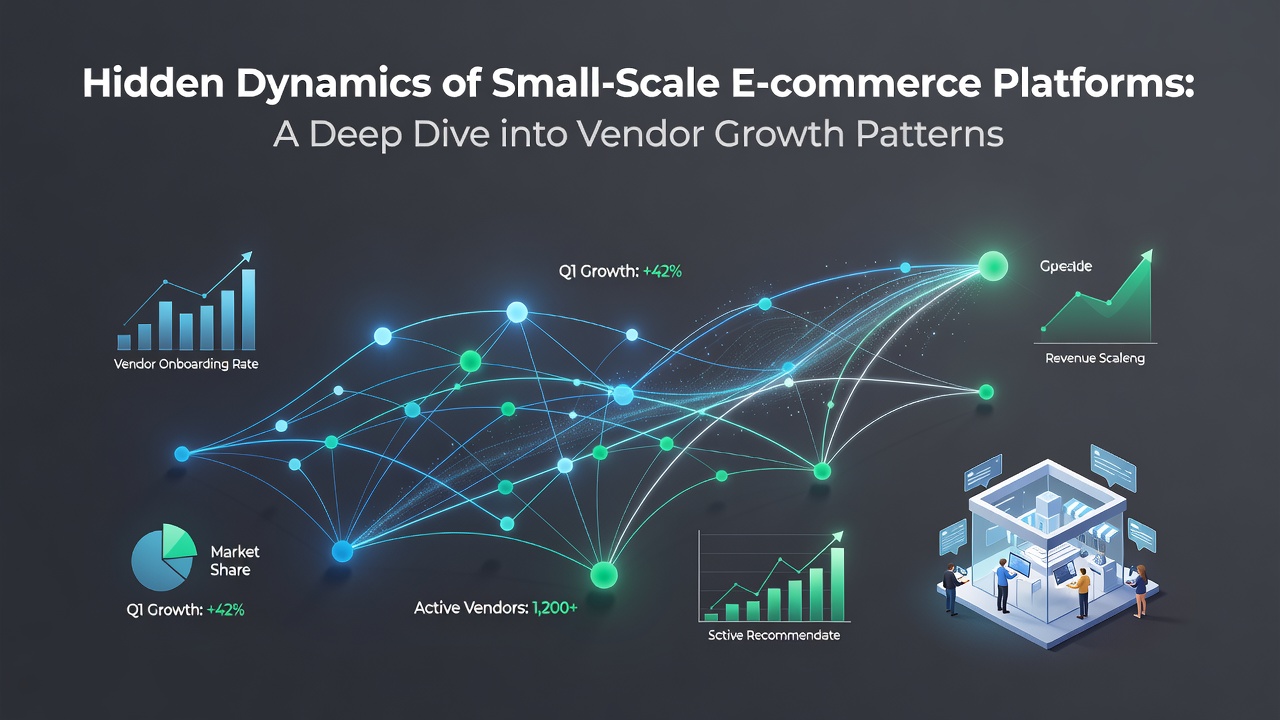
Hidden Dynamics of Small-Scale E-commerce Platforms: A Deep Dive into Vendor Growth Patterns
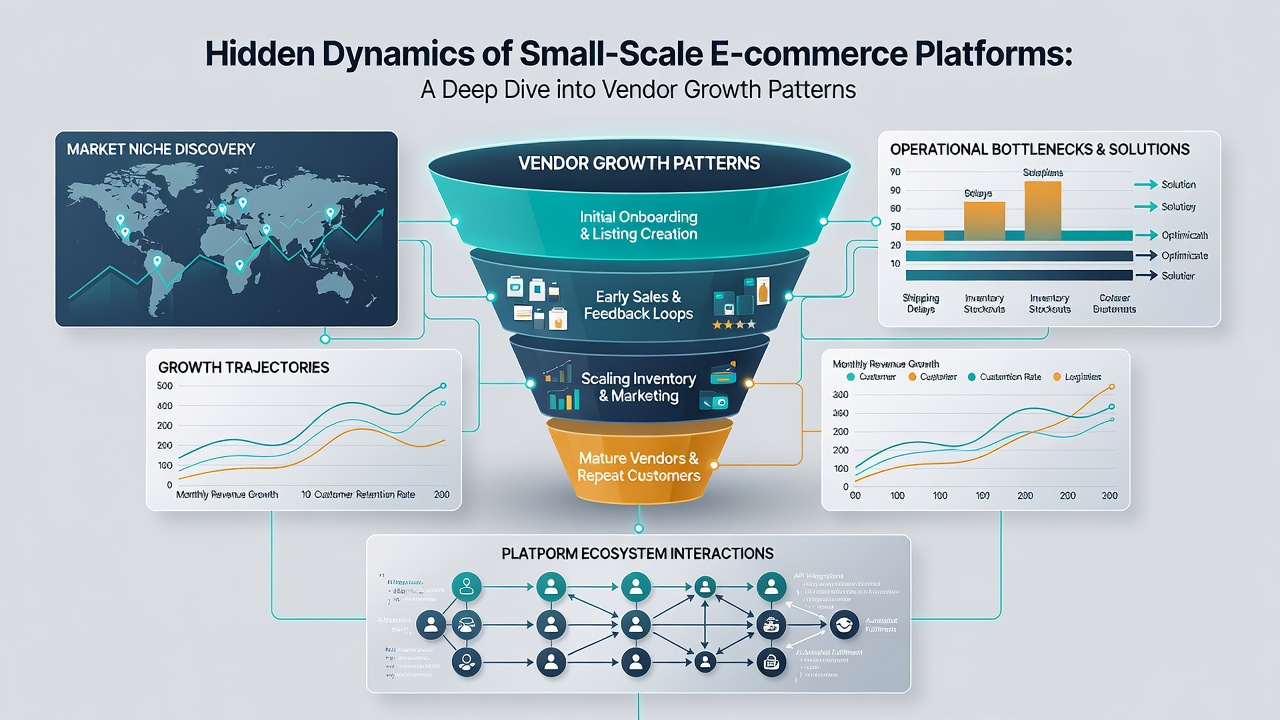
Small-scale e-commerce platforms operate through layered vendor ecosystems where growth follows measurable sequences tied to onboarding processes, visibility algorithms, and retention mechanics. Researchers tracking these platforms note that new vendors typically experience an initial sales ramp-up period lasting between four and twelve weeks before patterns stabilize or accelerate based on review accumulation and category placement.
Early-Stage Vendor Acquisition Sequences
Platform operators structure vendor entry with tiered approval workflows that prioritize product listing completeness, and data from multiple marketplaces indicate vendors who complete detailed onboarding profiles achieve first-sale conversion rates up to 37 percent higher than those with minimal information. Growth accelerates when vendors align listings with seasonal demand signals, while those who ignore category-specific keyword requirements encounter prolonged low-visibility periods.
US Census Bureau retail e-commerce figures released in late 2025 documented that independent vendors on platforms under 50,000 active sellers accounted for 14 percent of total online retail growth in the preceding twelve months. Observers tracking these vendors report that repeat purchase rates climb sharply once a vendor secures between 25 and 40 verified reviews, creating a compounding effect on organic ranking.
Algorithmic Visibility and Sales Velocity Patterns
Platform recommendation engines weight factors such as listing freshness, response time to buyer inquiries, and fulfillment speed. Vendors who maintain consistent restocking schedules demonstrate steadier sales curves compared with those exhibiting irregular inventory updates. In September 2026 platform analytics shared across industry reports revealed that vendors updating at least three listings weekly sustained average order values 19 percent above those updating monthly or less.
Regional variations appear in these patterns. Eurostat data on EU digital commerce shows vendors operating across multiple language storefronts experience faster scaling when localized descriptions accompany translated keywords, whereas single-language vendors face plateaus once domestic saturation occurs. Those who study these trends find that cross-border shipping integration further extends growth windows by accessing secondary markets without requiring new platform registrations.
Retention Metrics and Category-Specific Behaviors
Long-term vendor trajectories depend on repeat customer ratios and average order frequency. Platforms that surface buyer loyalty tools such as saved searches and notification preferences record higher retention among vendors who actively engage these features. Studies of niche marketplaces indicate that vendors in home goods and handmade categories sustain growth longer than those in fast-fashion segments, where trend cycles compress visibility windows.
Payment processing timelines also influence expansion. Vendors receiving funds within three business days reinvest more rapidly into inventory and advertising, producing measurable upticks in monthly active listings. Observers note that platforms offering integrated financing options see vendors extend their product ranges earlier, typically within the first six months of operation.
External Factors Shaping 2026 Growth Curves
Supply chain adjustments following global logistics shifts in 2025 created measurable divergences in vendor performance. Those sourcing from diversified suppliers maintained steadier fulfillment rates, while single-source vendors encountered stockouts that flattened growth trajectories for several quarters. September 2026 platform dashboards reflected recovery among vendors who adopted multi-supplier strategies, with average monthly sales rising 22 percent compared with the prior year.
Regulatory updates on data privacy across different jurisdictions further altered targeting capabilities. Vendors adapting to consent-based marketing frameworks preserved customer acquisition volumes better than those relying on legacy tracking methods. Industry analyses connect these adaptations to sustained revenue growth among compliant vendors operating on smaller platforms.
Conclusion
Vendor growth on small-scale e-commerce platforms follows identifiable sequences driven by onboarding depth, algorithmic alignment, retention mechanics, and adaptive sourcing. Data compiled through 2026 continues to highlight how localized strategies, review accumulation thresholds, and supply diversification determine whether initial traction converts into sustained expansion. Platforms that refine these underlying dynamics enable broader vendor participation while maintaining measurable performance benchmarks across regions.